Advisor

Independent advice for leaders.

Kashyap works with business and finance leaders, boards, legal and HR leaders, and government and public-sector institutions on AI strategy, operating choices, regulation, governance, risk and upskilling.

  • AI strategy
  • Operating choices
  • Regulation
  • Governance
  • Risk
  • Upskilling
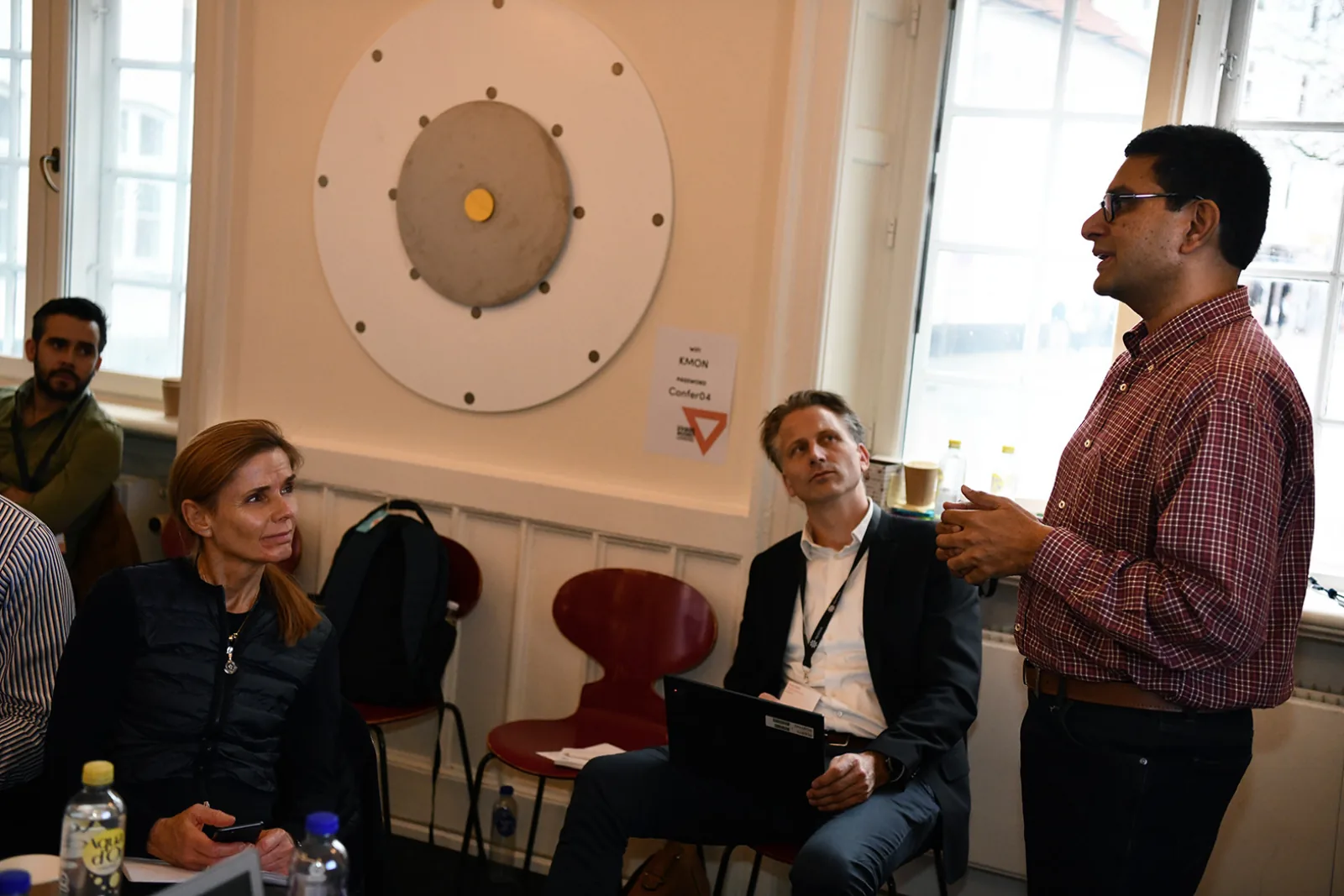
Kashyap Kompella in a red shirt leading a small-group discussion in Aarhus
Digital Leadership and Enterprise Automation Discussion, Aarhus

Leadership paths

Advice shaped around the decision.

CEO · CIO · strategy · business unit

Turn AI pilots into an AI playbook.

Separate real value from hype, sequence the capabilities that matter and connect governance to operating choices from the start.

  • Where can AI change revenue, cost or customer value?
  • Which pilots deserve to scale?
  • What capabilities must come first?
  • How should governance connect to delivery?
Read the CIO guide to LLM risk
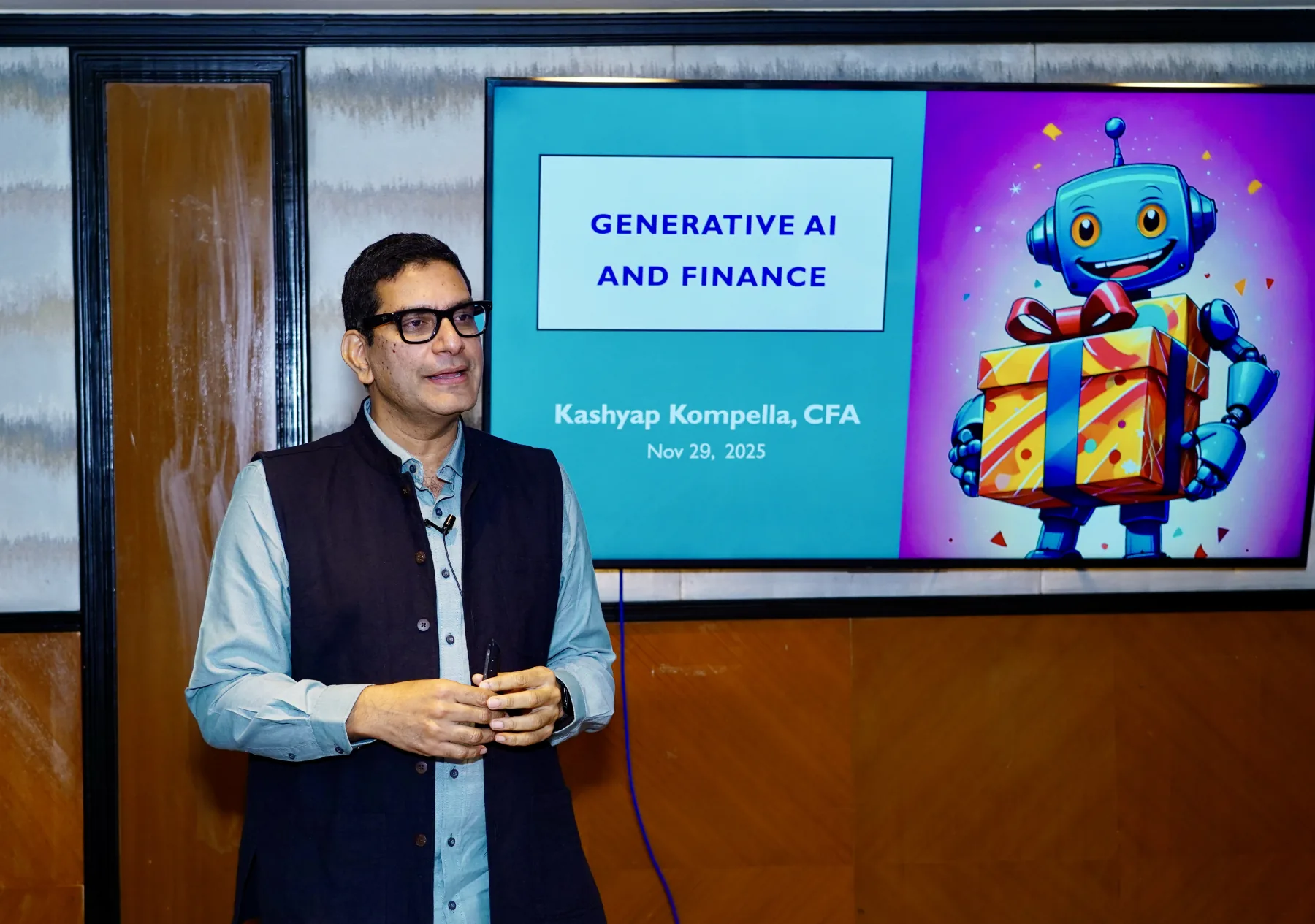
Kashyap Kompella teaching finance professionals about generative AI
CFO · finance professional · investor · deal team

Understand the economics, investments, capability and risk.

Connect ROI and operating economics with investment diligence, technology capability and the investor perspective.

  • Where can AI improve finance workflows?
  • Which ROI claims survive diligence?
  • Who owns the data, model and economics?
  • What changes the investment thesis?
Explore AI investment diligence
Board · general counsel · risk · compliance

Make AI governance visible in decisions.

Clarify ownership, thresholds, evidence and escalation so policy becomes an operating discipline.

  • Which decisions belong at board level?
  • Who can approve, pause or retire a system?
  • What evidence should management retain?
  • How do privacy and AI governance work together?
Read how accountability creates value
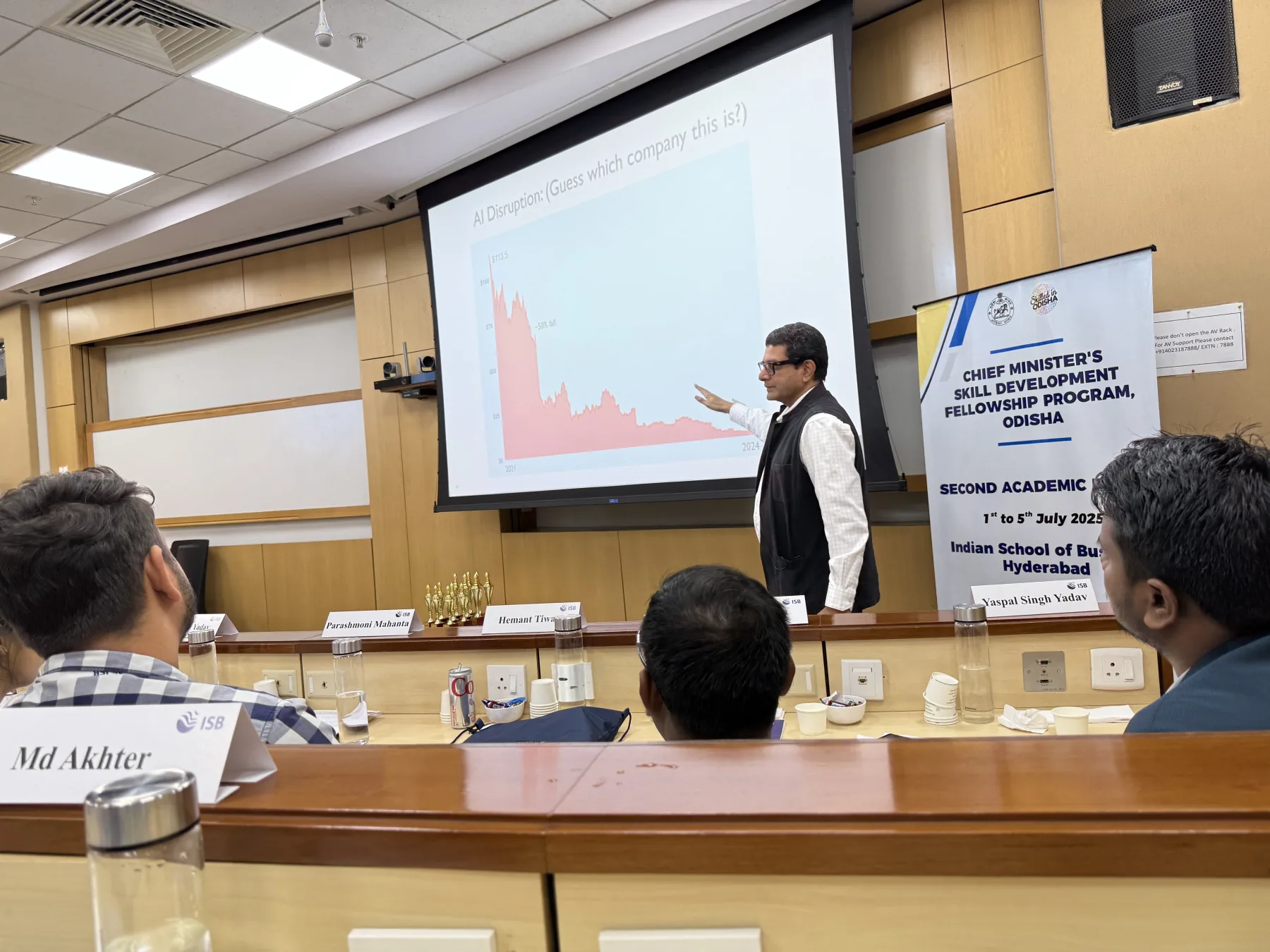
Kashyap Kompella teaching public-sector fellows at the Indian School of Business
Government · regulator · public institution

Design for public value and public responsibility.

Responsible design requires a human in the loop, clear legal authority and public accountability for consequential decisions.

  • What public outcome should improve?
  • Where is human review indispensable?
  • Who remains accountable?
  • How can people challenge an outcome?
Compare approaches to AI regulation

Experience

Kashyap brings together operating experience, independent market analysis and a practical business-first perspective.

Operating Experience

Enterprise software, consulting and implementation make adoption constraints visible.

Independent Analysis

Research compares technologies, markets and claims without being tied to a product sale.

Business Value First

Begin with the decision and connect value, evidence, people and governance.

Questions Leaders Ask

Practical questions behind AI decisions.

What should a board see about AI?

A board needs a portfolio view: where AI is deployed, which systems can create material harm, who owns each decision, what incidents have occurred, how major vendors are controlled and whether expected value is appearing.

When should an organization build rather than buy?

Build where proprietary data, workflow knowledge or customer experience can create durable advantage. Buy where the capability is becoming standard and a proven provider can meet integration, security, service and exit requirements. Include ongoing evaluation, monitoring and switching costs in the comparison.

Can strategy and governance be designed together?

They should be. Governance works best when risk thresholds, evidence requirements and approval rights are built into portfolio choices and delivery gates.

What should an investor test in an AI claim?

Test whether the product works outside a demo, whether the company has lawful and durable access to data, whether performance can be independently evaluated, whether unit economics survive scale and whether the claimed moat is more than access to a common model.

What makes public-sector AI accountable?

Name the public outcome, legal authority, accountable owner, review route and evidence retained. People affected by consequential decisions also need notice, meaningful human review and a way to challenge an outcome.